
Celia McCormick, Au.D
September 22, 2026
3 Min Read

Have you ever found yourself listening to your grandkids’ stories, smiling and nodding along, but realizing that you haven’t caught every word? Or maybe you leave family dinners feeling more tired than you expected, simply from the effort of trying to keep up with the conversation.
These experiences can reflect the extra strain your brain faces when hearing becomes more difficult. With September marking World Alzheimer’s Month, it’s a timely opportunity to look at the connection between hearing and cognitive health, including what the World Health Organization’s (WHO’s) updated guidance means for you.
For the first time, the WHO’s dementia risk-reduction guidance formally recommends hearing aids as an intervention to help address the risk associated with hearing difficulties, highlighting the important role that taking care of your hearing can play in supporting long-term brain health.
The Brain on Hearing Loss Challenges: A Silent Strain
Think about what happens when you’re on a phone call and the connection keeps cutting out. You can hear parts of what the other person is saying, but some words disappear or become unclear, causing your brain to work harder to fill in the gaps.
Hearing loss challenges can create a similar experience; when certain sounds become harder to hear or distinguish, your brain has to devote more attention and effort to piecing together what is being said. This additional mental effort is known as an increased cognitive load, and it draws on resources you also rely on for memory, attention, and problem-solving.
Over time, that extra effort can leave you feeling mentally tired, especially after extended conversations or time spent in noisy environments. As conversations become more difficult or tiring to follow, you may find yourself participating less often or avoiding certain social situations altogether.
Gradually, this can lead to reduced social engagement and greater social isolation, which is itself an established risk factor for cognitive decline.
What the New WHO Guidelines Mean for You
The WHO’s updated guidance brings greater attention to the role hearing can play in supporting long-term cognitive health. By formally recommending hearing aids as part of its dementia risk-reduction strategies, the guidance reflects a growing body of research on the relationship between hearing difficulties and long-term well-being.
It’s important to keep this recommendation in perspective; hearing aids aren't a treatment or cure for Alzheimer’s disease or other forms of dementia. However, when conversations are easier to follow, your brain may not have to work as hard to process sounds and conversations. This can make it easier to stay engaged with the people and activities around you, supporting the social connection and mental engagement that are important to healthy aging.
Ready to Start Your Hearing Health Journey?
If you’ve noticed changes in your hearing or simply want to understand more about your hearing health, a professional hearing assessment can give you a clearer picture.
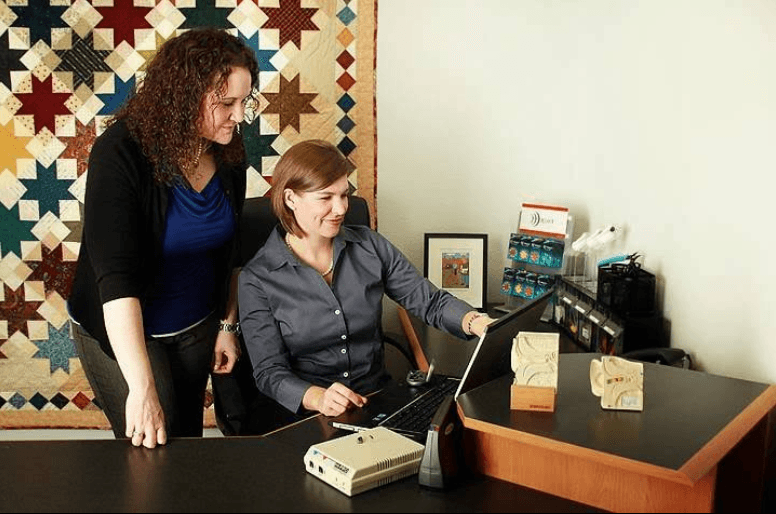
At our Plano clinic, your comprehensive hearing assessment helps you to understand how you hear and where you may be experiencing challenges. The appointment is painless and typically takes 30 to 60 minutes.
During your assessment, you will:
Talk with a hearing care professional about your hearing history and the situations where you may have difficulty hearing or understanding conversations
Have your ear canals visually examined for potential issues, such as excess earwax or blockages
Complete hearing assessments to measure how well you hear different pitches and volumes
Have your ability to understand speech evaluated in both quiet and noisy environments
Together, these results provide a detailed picture of your hearing, including whether hearing difficulties are present and, if so, their type and degree. You’ll then have a clear opportunity to discuss what your results mean for you and consider the options that may best fit your hearing needs and everyday life.
Contact the team at Family Audiology today to schedule an appointment or request a call back.
Frequently Asked Questions (FAQs)
Q: How often should I have my hearing checked?
A: The right testing schedule depends on factors such as your age, hearing history, and noise exposure. For adults over 50, making hearing checks part of your regular health routine can be a practical way to stay aware of changes and take a proactive approach to your hearing and cognitive health.
Your hearing care professional can help you determine how often you should have your hearing checked based on your individual needs and circumstances.
Q: I only have a little trouble hearing. Should I still get a test?
A: Yes. Even mild hearing difficulties can make it harder for your brain to process and understand what you hear, particularly in situations with background noise or where multiple people are talking. As well, hearing changes often happen gradually, so you may not even realize how much you have adapted to them or what you may be missing.
A hearing assessment gives you a clearer picture of your hearing and establishes a baseline that can be useful for tracking changes over time. It can also help identify hearing difficulties you may not have noticed yourself, giving you the information you need to make informed decisions about your hearing health.
Q: What are some less obvious early signs of hearing loss challenges ?
A: Early hearing changes do not always feel like a loss of volume. You may begin relying more on facial expressions or lip movements, favoring one ear during phone calls, or having difficulty identifying where sounds are coming from.
Ringing in the ears or feeling surprised when someone approaches you can also be signs worth discussing with a hearing care professional.
Sources